Diplomacy tends to orient itself around moments of rupture. A front collapses, a capital falls, a ceasefire breaks down. These are events that demand statements, envoys, and summits. Sudan and Yemen do not conform easily to this rhythm. Their wars have unfolded over years, producing humanitarian crises of immense scale without providing a single moment that forces sustained international reckoning. Suffering accumulates gradually, while diplomatic focus moves elsewhere.
Neither crisis can be described as unexpected. In Sudan, political fragmentation and militarisation preceded the current conflict. In Yemen, external intervention and internal division had already hollowed out the state before the war reached its present form. What distinguishes both cases is endurance. Hunger spreads over seasons rather than weeks. Displacement becomes cyclical. Institutions erode until their absence is barely remarked upon.
Sudan’s war, now entering its third year, has dismantled the remaining scaffolding of state authority. Markets operate intermittently, agriculture is disrupted by fighting, and cities shift between fragile calm and sudden violence. Yemen offers a different picture, shaped by time rather than escalation. Daily life there is organised around remittances, aid deliveries and local arrangements that fill the space left by national governance. Survival has become a negotiated condition.
Sudan: Diplomacy at ground level
Sudan now hosts the largest displacement crisis in the world. Families flee repeatedly, following rumours of safety rather than firm guarantees. Camps expand, empty, and re-form elsewhere. For humanitarian agencies, the challenge lies less in the delivery of aid than in securing permission to move at all.
Authority is dispersed across armed groups whose interests are local, fluid, and often opaque. Humanitarian diplomacy in this context is conducted through continuous engagement with commanders who control roads, checkpoints, and warehouses. Convoys advance only after assurances are given that assistance will not alter local balances of power. Temporary pauses in fighting are narrow in scope and short in duration, allowing limited opportunities for vaccinations or food distribution.
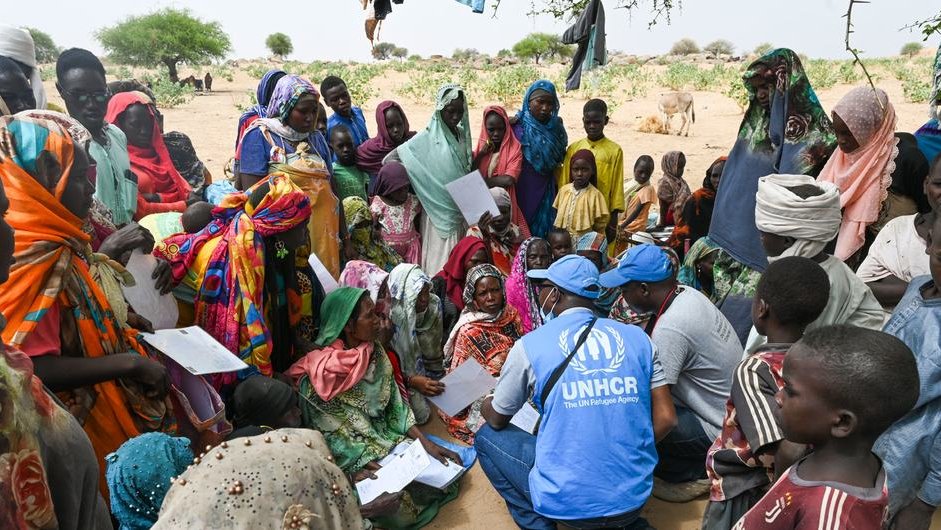
Alongside this ground-level work, a more conventional diplomatic effort aims to prevent regional spillover. Neighbouring states are drawn in by refugee flows, cross-border trade, and security concerns. Yet Sudan lacks the strategic clarity that tends to mobilise external powers. Its conflict resists simple framing and offers no immediate geopolitical dividend. Humanitarian diplomacy therefore assumes an additional function: sustaining international awareness and asserting that civilian harm remains a central concern rather than a peripheral one.
Yemen: Relief without resolution
Yemen’s crisis has become embedded in everyday life. Years of conflict have normalised deprivation. Food insecurity persists over long periods, and health emergencies arrive with a regularity that reflects structural collapse rather than sudden shock. A reduction in large-scale fighting has eased pressure in some regions, but it has not altered the underlying political impasse.
Humanitarian diplomacy here operates within an unusually crowded environment. Regional states, global powers, and local factions maintain multiple channels of communication. These channels facilitate negotiation, yet they do not consistently translate into protection for civilians. Aid delivery remains subject to bureaucratic obstruction, political leverage, and declining donor enthusiasm.
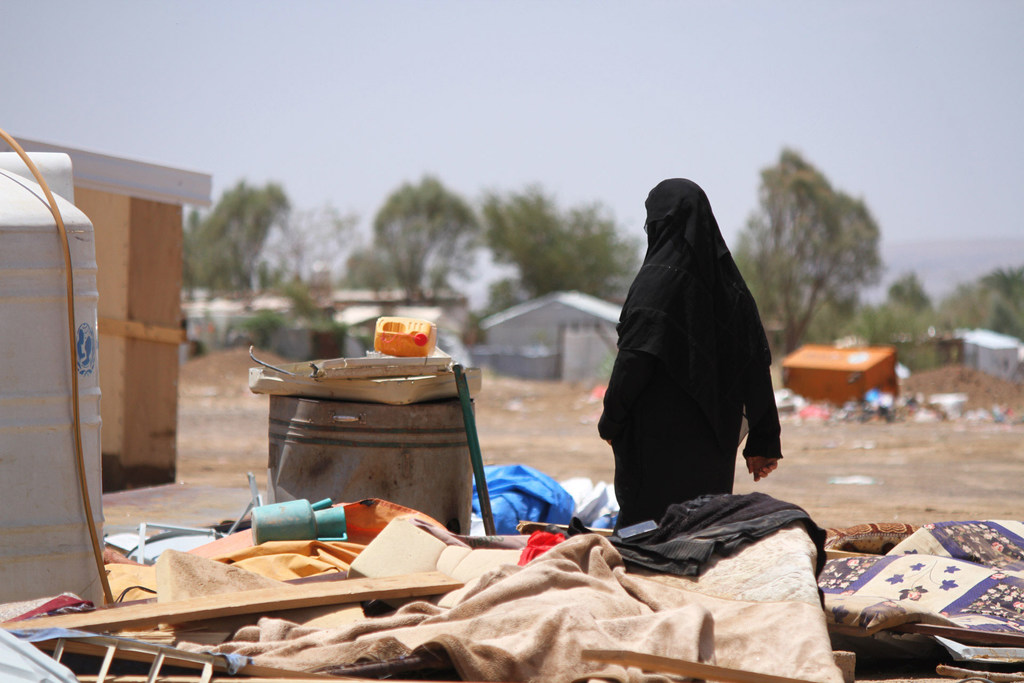
Even within these constraints, diplomacy focused on humanitarian outcomes has achieved tangible results. Agreements have enabled ports to function, salaries to be paid, and fuel to enter the country. Such measures do not resolve the conflict, but they shape daily life in ways that matter. Their fragility highlights both the value and the limitations of sustained engagement.
The practice and its limits
Humanitarian diplomacy occupies an uncomfortable position. It rests on principles of neutrality while requiring engagement with actors who routinely disregard humanitarian norms. It draws legitimacy from international law, yet often advances through personal trust and informal arrangements. Its effectiveness depends on continuity and political support, both of which are difficult to sustain in protracted wars.
The experiences of Sudan and Yemen make these limits clear. Humanitarian action cannot rebuild economies or replace political settlements. Negotiated access does not restore institutions. Yet without diplomacy explicitly focused on humanitarian space, even basic relief becomes uncertain. Supplies remain stranded at borders, medical stockpiles lose their usefulness, and civilians absorb the cost of the political stalemate.

Resisting erasure
What links Sudan and Yemen is not only the scale of suffering but also the risk of gradual disappearance from international concern. As new crises emerge, older ones recede. Emergencies that do not escalate visibly risk being absorbed into the background of global affairs.
Humanitarian diplomacy resists this process. Its purpose lies in maintaining engagement when political incentives weaken, in reinforcing the idea that civilian welfare remains a diplomatic responsibility, and in pressing for action before a prolonged crisis becomes accepted as normal. In an international system drawn to urgency and spectacle, the steady, procedural work of humanitarian diplomacy offers one of the few means of preventing neglect from hardening into permanence.
Click to show page navigation!