


Science diplomacy is described as ‘the use of scientific collaborations among nations to address the common problems facing 21st century humanity and to build constructive international partnerships’ (Fedoroff, 2009).
It can build bridges between communities and nations and raise the profile of science in foreign policy to address pressing international and global challenges – such as climate change, diminishing biodiversity, and global pandemics. It is not a new phenomenon, but with the establishment of the Center for Science Diplomacy at the American Association for the Advancement of Science (AAAS) in 2008, it has gained prominence.
A helpful approach to make sense of science diplomacy (AAAS and Royal Society, 2010) is the distinction between:
- ‘Science in diplomacy’ – the use of scientific advice for foreign policy decision-making
- ‘Diplomacy for science’ – the facilitation of scientific and technical co-operation through the work of diplomats
- ‘Science for diplomacy’ – the promotion of a more peaceful world through scientific co-operation
Without a doubt, science diplomacy will be growing in importance and it can contribute to both better foreign policy and more peaceful international relations. However, we need to wonder how to best prepare the next generation of diplomats for this important aspect of diplomatic practice.
Hence, in this WebDebate we will be asking the following questions:
- What is science diplomacy?
- Why does it matter for diplomats and the next generation of diplomats in particular?
- What training and capacity development options are there?
- What should be included in training and capacity development for science diplomacy?
Our Speakers
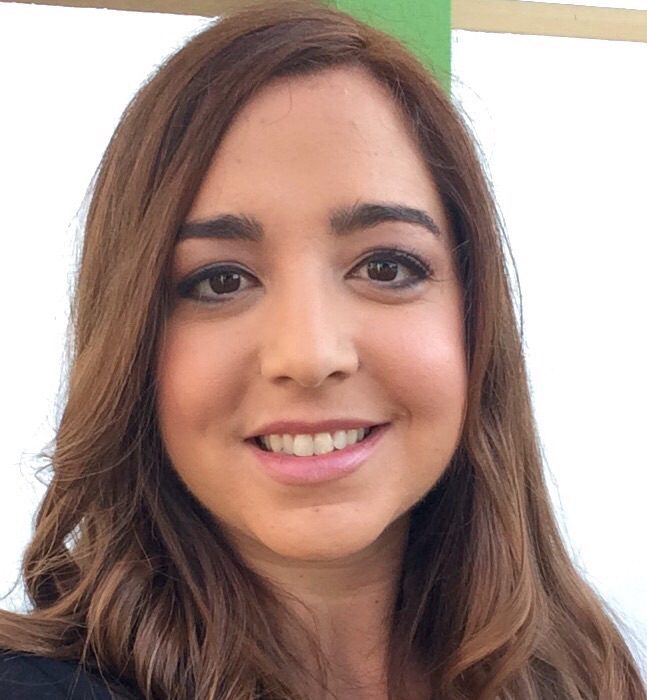 Dr Marga Gual Soler is an internationally recognised expert, advisor, speaker, and educator in science diplomacy. She builds bridges between the scientific and the policy communities, promotes science as a foreign policy tool, and supports evidence-informed policy and decision making. Most recently, Marga directed science diplomacy research, education, and training at the AAAS Center for Science Diplomacy, managed the AAAS Cuba programme, and led the Latin America portfolio. She is a member of the Research, Innovation and Science High-Level Advisory Group (RISE) to European Commissioner Carlos Moedas and advises two Horizon 2020 projects: ‘S4D4C – Using Science for/in Diplomacy for Addressing Global Challenges’ and ‘InsSciDE – Inventing a Shared Science Diplomacy for Europe’. This year she will participate in the largest-ever all-women expedition to Antarctica to promote women in science diplomacy, leadership, and climate action (support her expedition).
 Dr Jean-Christophe (JC) Mauduit is currently a visiting scholar at the AAAS in Washington, DC. He was most recently Deputy Director of the Science Diplomacy Center at the Fletcher School, Tufts University in Boston. Initially trained in astrophysics (PhD, 2007) at the Paris Observatory, he worked as a researcher for the French CNRS on the ESA ‘Gaia’ satellite mission and for the California Institute of Technology on the NASA ‘Spitzer’ infrared satellite. He was also a Project Officer for the International Astronomical Union and holds an MA in Law and Diplomacy (2017) from the Fletcher School.
Join us online on 7 May at 11:00 UTC / 13:00 CEST. Register to attend this event.
Click to show page navigation!


 July 2019 online courses