In early February 2026, America’s vice-president, JD Vance, touched down in Yerevan and Baku. The trip was rich in symbolism. No sitting American vice-president had previously visited either Armenia or Azerbaijan. Yet symbolism was not the point. The visit was a study in contemporary statecraft: transactional, strategic, and unapologetically competitive.
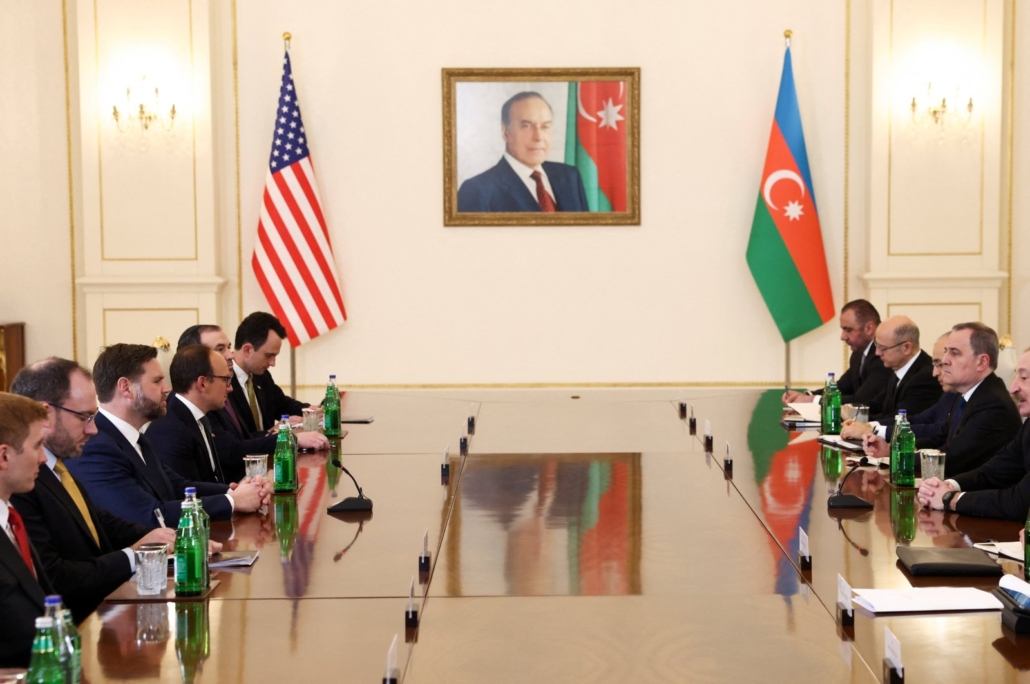
The South Caucasus, wedged between Russia, Iran, and Türkiye, has long been treated as a geopolitical afterthought in Washington and as a close neighbour in Moscow. But wars have a way of rearranging attention. Russia’s preoccupation with Ukraine and the region’s fragile post-conflict order have opened diplomatic space. America has stepped in not only to mediate but also to bargain.
A peace built on incentives
The tour followed a peace agreement brokered in Washington in August 2025 to settle decades of conflict over Nagorno-Karabakh. The accord marked a tentative closing chapter to a dispute that had repeatedly drawn in outside powers and destabilised the region.
Mr Vance’s visit sought to convert ceasefire logic into economic logic. Rather than relying solely on declaratory diplomacy, the United States offered tangible inducements: energy cooperation, security partnerships, and investment flows. In effect, peace was framed not just as a moral imperative but as a development strategy.
Such an approach reflects a broader shift in American diplomacy. Deals now come bundled. Recognition is paired with investment. Security guarantees are tied to infrastructure. The logic is straightforward: durable peace requires durable incentives.
Strategic economics in Yerevan
In Yerevan, discussions centred on civil nuclear cooperation and advanced technology partnerships. A new energy agreement opened the possibility of deeper American involvement in Armenia’s power sector, which has long been dependent on Russian infrastructure and supply chains. Diversification, in diplomatic terms, is another word for leverage.
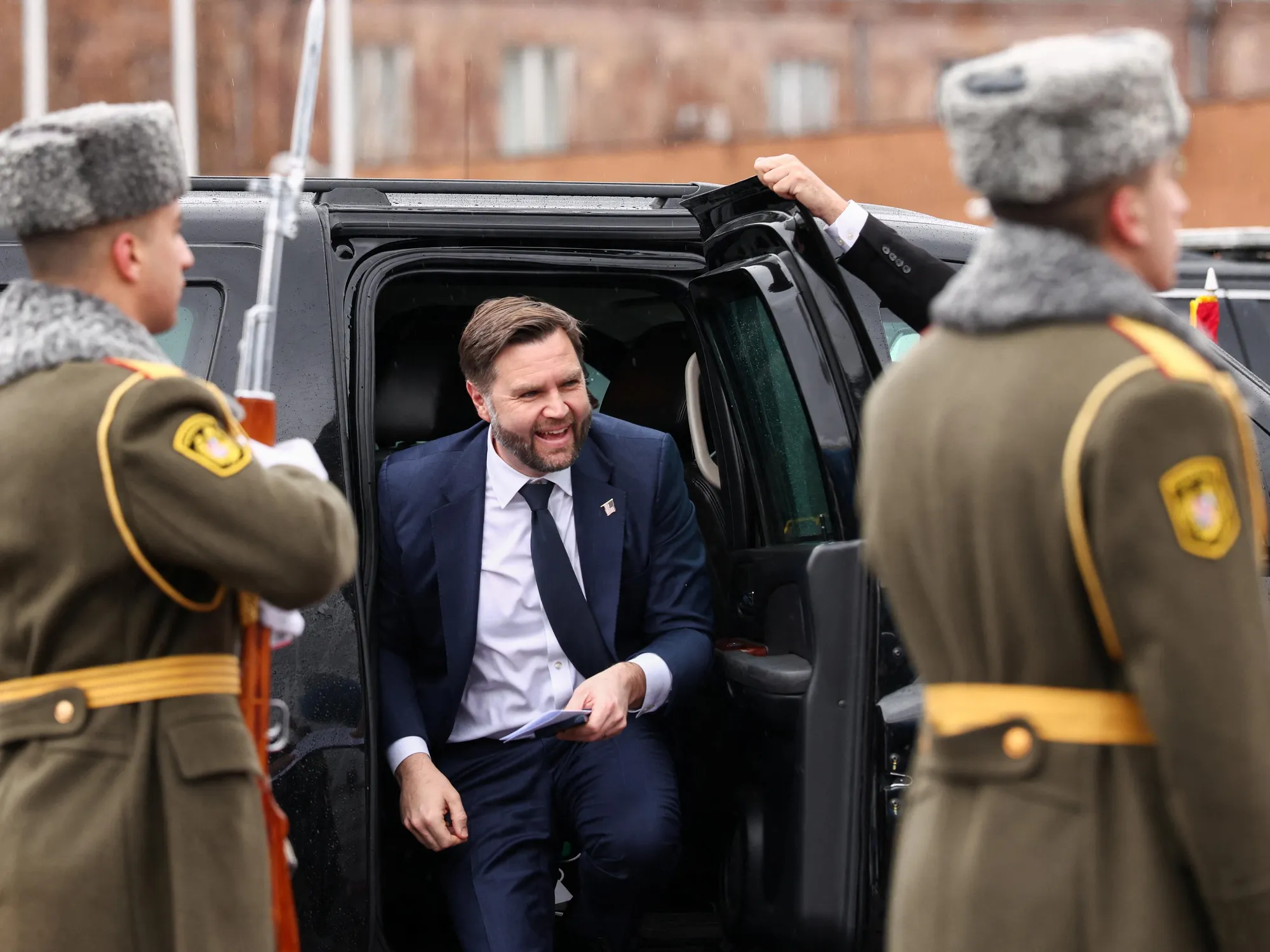
Beyond energy, American officials signalled support for expanded trade and access to advanced technologies, including unmanned aerial systems. For Armenia, this is hedging. For Washington, it is influence-building through markets rather than mandates.
Economic diplomacy of this sort is neither charity nor ideology. It is strategic interdependence. By embedding itself in Armenia’s infrastructure and technological future, America acquires a stake in the country’s trajectory, and vice versa.
Corridors, connectivity and TRIPP
In Baku, the emphasis shifted toward strategic partnership. Agreements framed deeper defence and security cooperation between the United States and Azerbaijan, complementing economic engagement with geopolitical signalling.
For Azerbaijan, diversified partnerships reduce overdependence on any single patron. For America, engagement offers influence in a region historically dominated by Russia and closely watched by Iran. The message was subtle but unmistakable: the South Caucasus is no longer an uncontested sphere.
This is diplomacy in the shadow of larger powers. Moscow’s traditional leverage has weakened, though not vanished. Iran remains attentive to shifts along its northern frontier. Türkiye, too, has stakes. Modern diplomacy here is triangular and occasionally quadrilateral. Every handshake is observed elsewhere.
Transactional, yet strategic
Critics sometimes treat ‘transactional diplomacy‘ as a pejorative, implying short-termism. Yet transactions can be tools of long-term strategy. By tying peace to pipelines, trade to territory and security to connectivity, Washington is testing whether pragmatic bargains can consolidate fragile settlements.
The vice-president’s tour illustrates a broader evolution in statecraft. Twenty-first-century diplomacy extends beyond communiqués and ceremonial visits. It integrates infrastructure finance, energy grids, digital technology and defence frameworks into a single negotiating package.
For students of diplomacy, the lesson is clear: influence now travels along supply chains as much as through summitry. Stability is pursued not only through mediation but through market access and transport corridors.
The South Caucasus remains delicate. Peace agreements can unravel; infrastructure can inflame as well as integrate. But Mr Vance’s visit demonstrated an emerging American doctrine in miniature: strategic engagement backed by economic leverage.
In a region accustomed to zero-sum competition, Washington is betting that shared prosperity can anchor a political settlement. Whether that wager holds will shape not only Armenia and Azerbaijan but also the balance of power on Europe’s eastern fringe.
Click to show page navigation!